What is the current landscape and future frontier of engagement in foster care and adoption — especially by Christians?
You see people in your community moving toward vulnerable children and families in beautiful ways.
But what is the scale and nature of that engagement, by the numbers? Who is most likely to become foster or adoptive parents — or support kids and families in other ways — and what are the primary barriers to people taking those steps? And what does foster care engagement look like for Christians?
Explore New Data to Guide Your Work
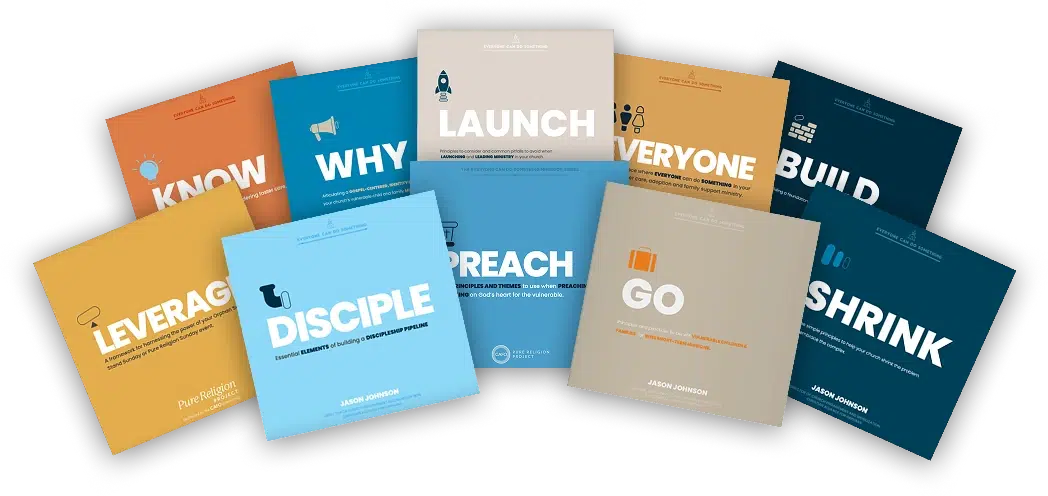
Download "Engagement in US Foster Care and Adoption: 2025 Data and Trends." Leveraging new, exclusive data, the report will help you understand how people—especially Christians—are involved in foster care and how to help others overcome the barriers keeping them from taking action.

A Few Highlights from the Data
How many Americans have fostered or adopted? What motivates people to foster or adopt? Are Christians more likely to foster or adopt? Explore answers to these questions, and download the full report for even more data.

78%
78% of Americans haven't seriously explored fostering or adopting ... yet. In your work, you can find them, understand what motivates them, and help them overcome their barriers to engagement.

3.1%
3.1% of Americans have adopted, and 2.6% of Americans have fostered. Some have done both!

61%
61% of people who have seriously explored foster care and/or adoption were motivated by providing a loving home for a child in need. You can build connection through stories, which motivate people more than overwhelming numbers or information.

2x
Compared to those who are Agnostic, Atheist or No Faith, Christians are more likely to have adopted (nearly 2X) or to have fostered (more than 3X). This holds true in relation to other faiths also, with Christians having adopted or fostered nearly twice as often.

42%
42% of people said that financial capacity was a major barrier. You can ensure people have accurate information through simple messaging about finances in interest meetings or recruitment campaigns to help reduce this barrier in foster care and adopting from foster care.

35%
35% of people said they were not involved in alternative ways of supporting foster care and adoption (ways besides being foster or adoptive parents). The top two reasons people gave for not being involved were lack of time and feeling they didn't have anything meaningful to offer. You can help them "connect the dots" between their existing gifts and work and how they can help.