For the full vision at the heart of these ideas, see yesterday’s post, “What’s the Theme of CAFO2026?”
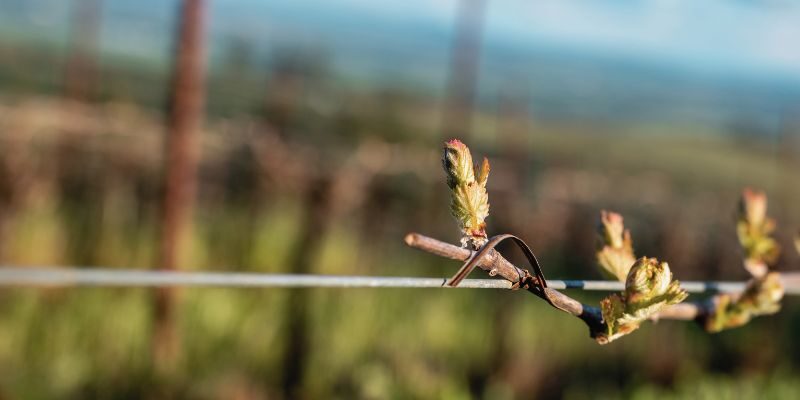
As we explored in an earlier article, overgrown vines produce terrible fruit. There may be lots of grapes, but they’ll be small and often bitter. The good, sweet fruit we long for comes only with serious pruning.
Pruning is ultimately God’s work. But as with so many things, He invites us to participate.
Sometimes, our part involves only a humble welcome of God’s work in and around us. But at other times, our part in pruning is active, joining with God to pare back secondary things so that we can give ourselves more fully to the most important.
If that’s our desire, where can we start? Pruning will look a bit different for each of us, but here are five essentials:
Worship. Wise pruning begins with worship. Reverence right-sizes us, reminding us that we’re creatures, beloved and yet also very finite. As we soak in God’s grandeur and goodness, clinched hands open. We release even things we fear to lose, freed from imagining that everything depends on us and that our worth stands on what we achieve or own. Let’s spend time outdoors and in the Psalms, ponder the marvels of creation and sing songs of praise.
Ask. We can’t see around even the next street corner, let alone years to come. To discern what’ll be truly good for us, we need more wisdom than we have. If we ask, God will help us see what needs cutting — including parasites (bad things), suckers (neutral yet unfruitful) and even the good-but-not best. He’ll also give His strength to prune when He says it’s time. Let’s get on our knees, literally, and ask.
Think. When our heart has knelt, our mind can begin to think clearly. We won’t do that well amid distraction, so we’ll need solid blocks without disruption — perhaps an hour in early mornings or even a day or more away in solitude. Let’s seize these times. We may be wise to include long walks (which studies show is highly generative) and journaling (which helps us focus and flesh out thoughts).
Process. As ideas for potential pruning come into focus, we can talk them over with wise, Christ-hearted friends — including a spouse if married — and also process them by journaling. Let’s make specific plans for action and get them on paper. Some steps may require immediate cuts, especially if we see parasites. Others may take months or even years to fully execute.
Act. Once we’ve got a plan, it’s time to move. Let’s put conviction into action!
– Jedd Medefind is the president of Christian Alliance for Orphans.