In storytelling, the turning point is the part of the plot line where there’s a revelation or decision that changes the protagonist’s trajectory. After that moment, everything gets better. It’s when Simba decides to return home and confront his evil uncle, Scar, in The Lion King. It’s when George McFly works up the courage to clench his fist and knock out Biff in Back to the Future. It’s when you realize that Andy has been digging a tunnel behind the poster in his cell the entire time in Shawshank Redemption.
For decades, we have collectively assumed that the turning point in foster care is the moment a child is removed from a harmful situation and placed in a safe family. Certainly, removing a child from harm and placing them in safety is incredibly significant and will have a lifelong impact.
But anyone who has fostered or adopted knows that a child entering a safe home isn’t the moment when everything turns around.
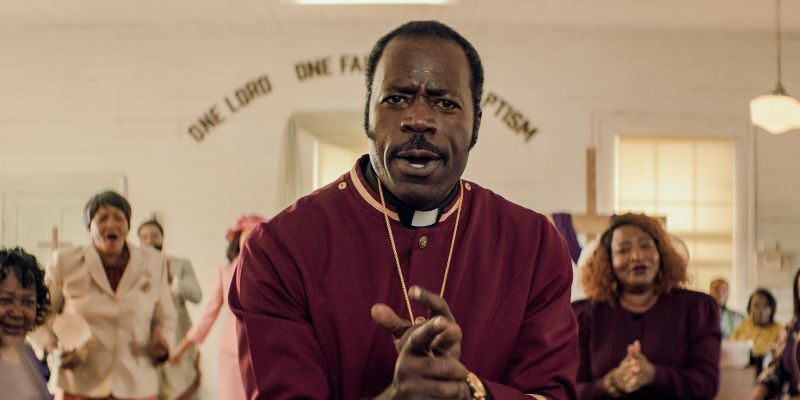
The movie The Sound of Hope: The Story of Possum Trot tells the true story of a small rural church in East Texas. Facing an urgent shortage of families to care for and adopt children who couldn’t be reunited with their biological families, the Martins church ultimately provided permanent adoptive families for 77 children who needed them.
The movie certainly depicts the reality of the abuse and neglect that children face, and the hope that comes when they are placed in a safe, loving home. But my favorite thing about this movie is that it doesn’t portray this as the turning point of the story.
In fact, far from being the turning point, things begin to fall apart quickly.
These families become overwhelmed and, in many cases, may have underestimated what they are getting themselves into. They experience behaviors that are hard to imagine prior to sitting across the kitchen table from them. They endure financial hardship that begins to feel suffocating. And the most discouraging part of all is it seems that the children may not be healing as quickly as one would have hoped.
The film invites moviegoers to this point of despair, a point that’s familiar to those of us who have fostered and adopted children.
Not only does it seem the children aren’t becoming everything we dreamed they would become, there are moments we find we’re becoming a version of ourselves that’s our own worst nightmare. If ever there was a need for a turning point, it’s right here.
Then it comes. But it isn’t in the form of a singular heroic foster parent saving a child from impending doom. No, in the story of Possum Trot, the turning point comes when all has fallen apart, and the community decides it won’t go down without a fight.
The story shows the seemingly impossible paradox that hurting desperate people can, in fact, support and care for other hurting and desperate people. It shows that the only way out is together. Benevolent individual effort can’t fix the brokenness of foster care any more than a guy with a shovel can restore a city after a hurricane.
It takes the whole community. And in the telling of this true story of Possum Trot, this turning point of togetherness may be the truest thing.
In communities like yours, foster care is largely being addressed by a collection of individuals in separate and fairly disconnected churches, organizations and agencies. Having a lot of people working on a problem in a community is very different from having a community work on a problem together. The story of Possum Trot beautifully shows us the difference.
If you look at foster care where you live and it feels like a broken place of despair, it is likely your turning point is yet ahead. The good news is that it can come. It starts with pausing our frantic and desperate individual effort and reaching out to others to ask the question, “What can we do together that we simply aren’t getting done on our own?”
Answering that question is where you’ll find your turning point.
Jason Weber is the Director of More Than Enough, facilitated by the CAFO community.
——-
Sound of Hope: The Story of Possum Trot releases in theaters July 4th, 2024. Learn more about the film and find showtimes here. And if you are looking for resources to help you leverage this film as a turning point for community action where you live, explore our suite of Mobilization Resources. If you’re a church that’s interested in launching a foster care or adoption ministry, explore resources from the Pure Religion Project here.