In early 2024, we invited the CAFO community to provide critical feedback in the first-ever CAFO Community Insights Survey.
Entering CAFO’s 20th year with a growing movement of child welfare leaders, foster and adoptive parents, church ministry leaders, advocates and researchers – we desired to listen well to the community to identify key challenges, opportunities and aspirations for the future.
The survey centered on two primary purposes:
- To assess who we are, where we serve, what roles we play, and how we’re connected to each other; and
- To spotlight key challenges and opportunities we can engage together.
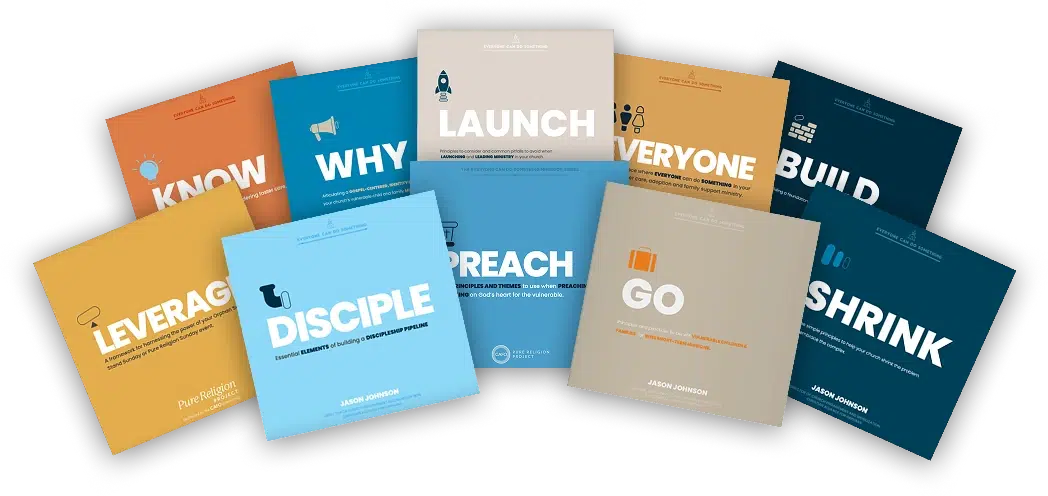
A devoted team carefully reviewed each response and gathered the findings into the 2024 Community Insights Booklet below – we are pleased to share the findings and results with you!
2024 CAFO Community Insights Survey
A few highlights from the survey
The Community Insights Survey included more than 500 participants with a mix of open-ended and multiple-choice questions. Below are a few of the key takeaways:
- About 25% of the CAFO community presently serves vulnerable children both professionally and within their own homes. These Christian leaders are foster, adoptive or kinship parents who serve in professional non-profit roles. This creates unique challenges and opportunities, and reveals deep personal commitment to living the mission of the CAFO community. Although we didn’t capture further data, we know a very large portion of those in professional roles also serve simultaneously in personal roles, from mentoring to board leadership to respite care and more.
- CAFO members currently serve in 124 countries worldwide. The United Nations recognizes 195 countries – meaning CAFO members (non-profit organizations, churches and networks) are caring for vulnerable children and families in over 63% of the world’s countries today.
- Key challenges facing the community include avoiding burnout, collaborating effectively and policy engagement. These areas were identified as major challenges to our efforts worldwide, and CAFO will continue to develop fresh ways to help organizations, churches and leaders care well for the whole-person health of their teams, create strong collaborations, and advocate effectively for positive public policy for children and families and the organizations that serve them.
A few other key areas of note included challenges in fundraising, succession planning and the need to evaluate potential uses of artificial intelligence in our field. CAFO will convene working groups and invest resources in each of these areas of strategic opportunity.
As one survey respondent said of what being part of CAFO means to them: “I think it’s easy to be one spoke in the wheel and only see what you can right in front of you – once you start seeing the other spokes and all the moving parts, you realize just how big God is and that His hand is over all of it.”
We hope the insights from this survey will help you to know you are not alone … and will also shed light on this critical and holy work we are so thankful to do together.